How Long Does PPF Last? Key Factors Explained
Paint protection film typically lasts 5 to 10 years, and premium brands can push that to 7 to 10 years or more. It works as a sacrificial layer against rock chips and road debris, so your clear coat stays protected longer. Most premium films carry a 10-year manufacturer warranty, and installation quality is the single biggest variable in whether a film reaches the top or bottom of that range.
Key Takeaways
- PPF lifespan averages 5 to 10 years. Premium film with a 10-year or lifetime warranty consistently reaches the upper end of that range.
- UV exposure drives yellowing. Southern California and Arizona can shorten the paint protection film's lifespan.
- Hand washing helps preserve the self-healing topcoat. pH-neutral soap reduces chemical wear on the film surface.
- PPF replacement signs include discoloration and cracking. Edge lifting and bubbling usually mean adhesive failure.
- Vinyl wraps usually last 3 to 5 years. PPF lasts longer and protects the clear coat from impact.
How Long Does PPF Last?
Paint protection film usually lasts 5 to 10 years, and premium films can reach 7 to 10 years or longer. Marathon PPF and Autobahn PPF sit at the high end of that range, while budget-level film often lasts only 2 to 5 years.
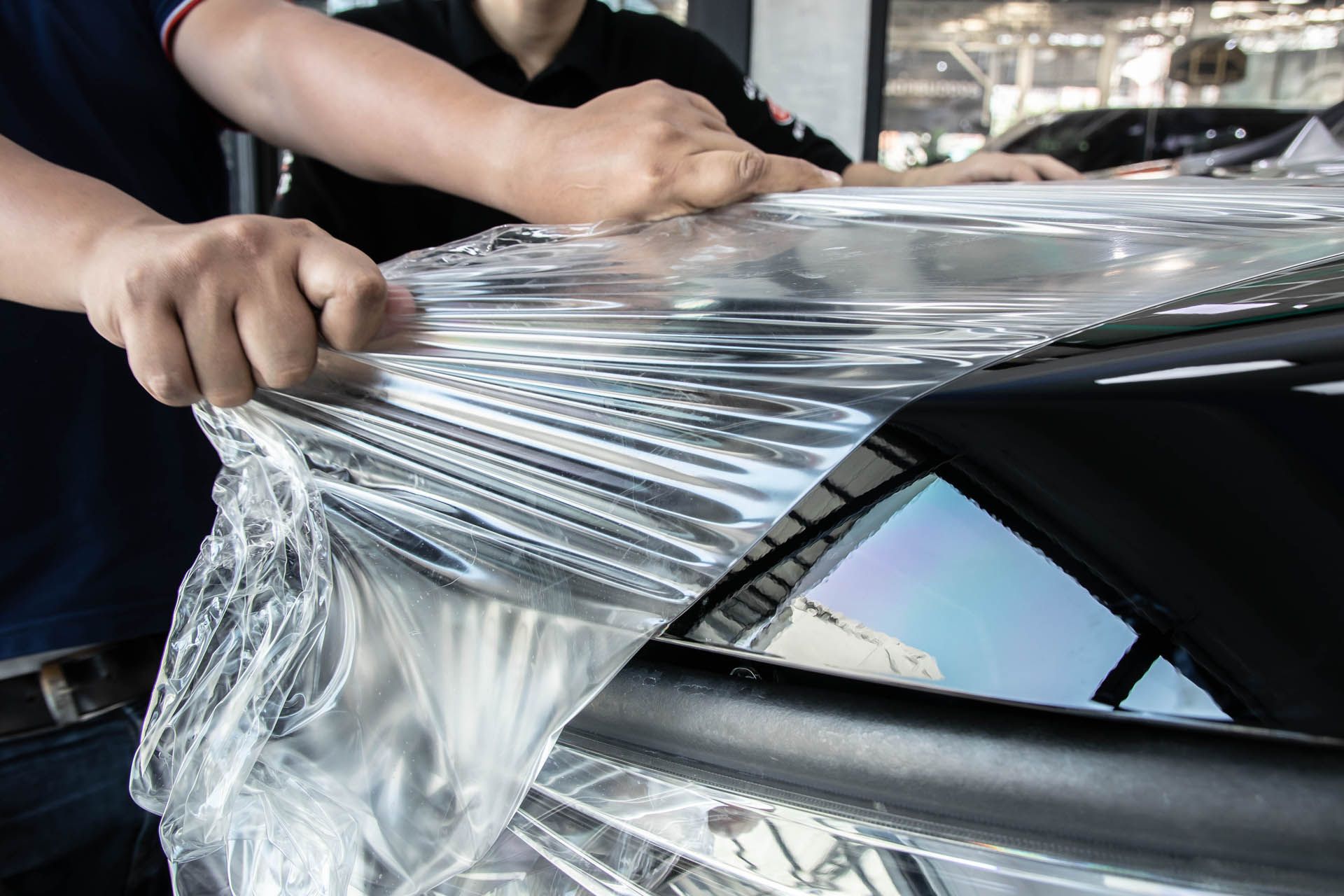
PPF works as a sacrificial layer over factory paint and clear coat, especially for a new car. It absorbs rock chips and road debris before they reach the surface, which is why many owners call it clear bra protection. Material quality matters most: a well-made film with strong UV inhibitors and a self-healing topcoat stays clearer longer.
What Affects PPF Lifespan?
UV exposure is the main cause of yellowing and hazing. Ultraviolet rays break down polyurethane and adhesive layers over time, and hot, high-UV climates like Southern California and Arizona can push PPF toward the lower end of the 5 to 10 year range. Garage storage slows that damage because shade reduces direct sun exposure, which limits film degradation. Environmental conditions matter just as much as mileage, especially on daily-driven vehicles.
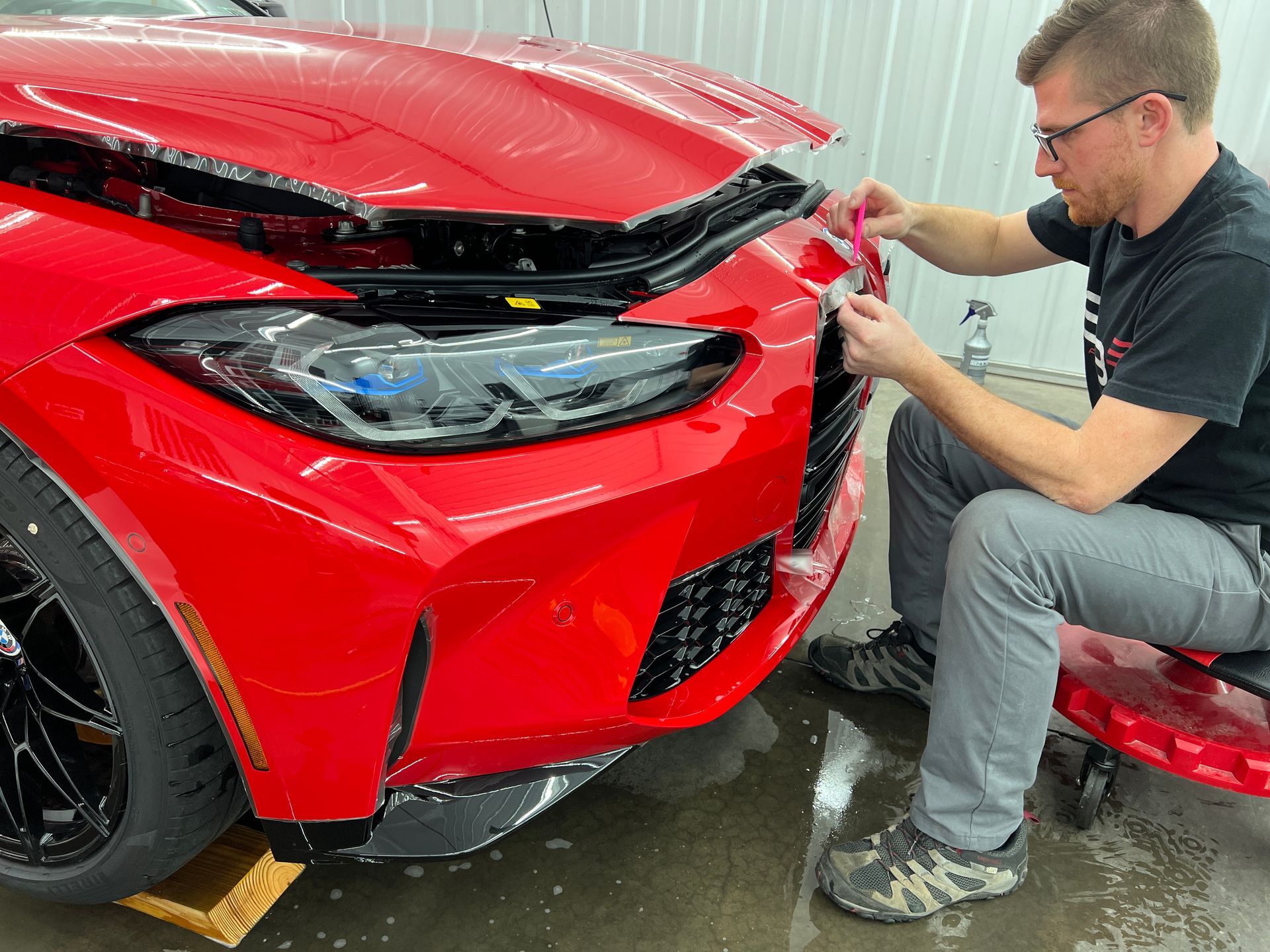
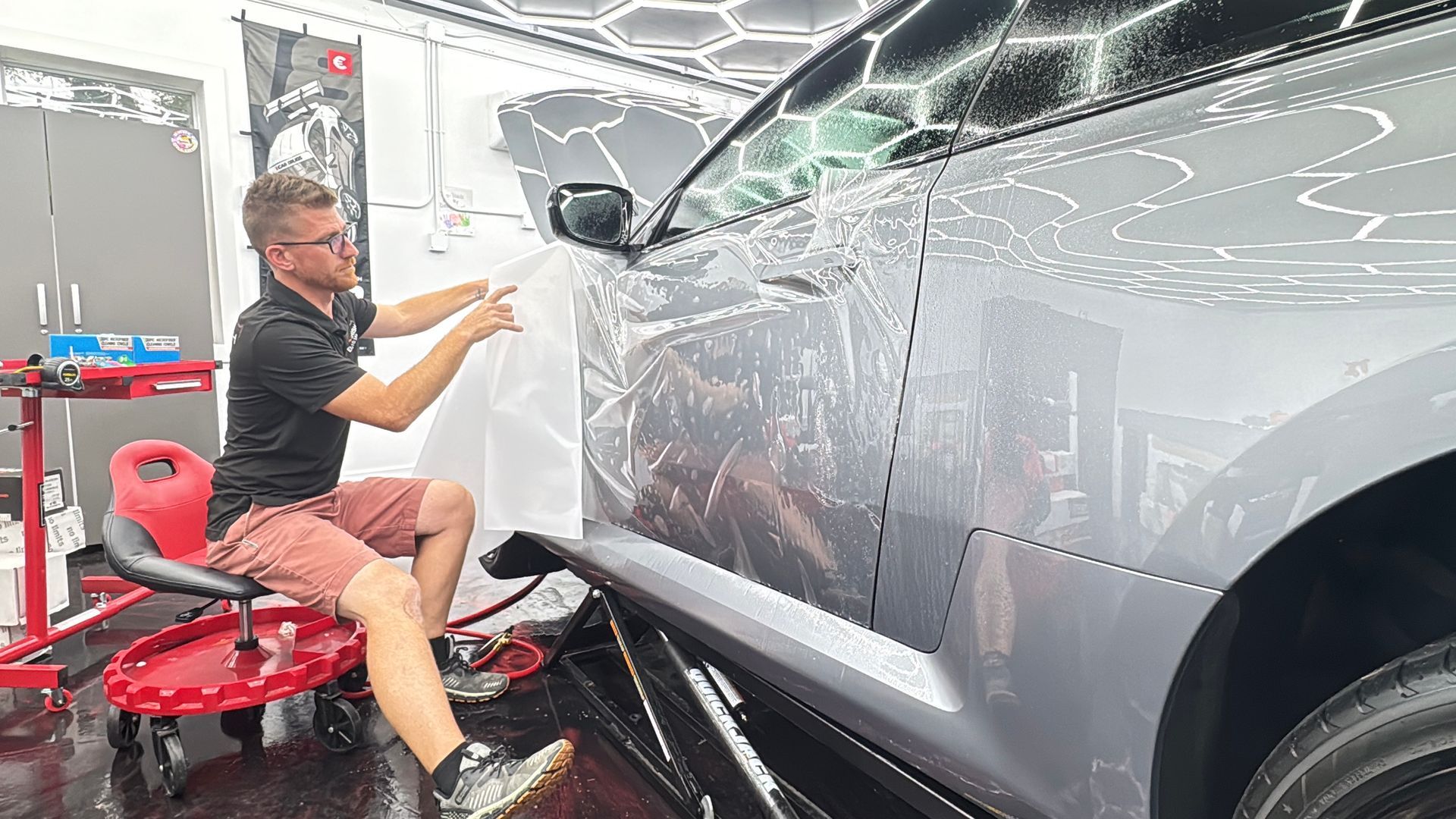
Installation quality also changes the lifespan. Professional installation improves adhesion and edge wrapping, which helps prevent early bubbling and peeling. Poor edges fail faster because water, heat, and dirt reach the adhesive sooner. Consistent maintenance, including hand washing with pH-neutral soap, protects the self-healing topcoat and reduces chemical wear over the life of the film.
How Do PPF Brands Compare?
Paint protection film falls into two broad tiers: standard warranty film and lifetime warranty film. The difference comes down to material grade, UV resistance, and how long the manufacturer stands behind the product.
Standard warranty film uses a durable polyurethane layer with UV inhibitors and a self-healing topcoat. It performs well on daily-driven vehicles and covers yellowing, bubbling, cracking, and peeling for up to 10 years. Lifetime warranty film uses a higher-grade formulation engineered for long-term clarity and adhesive stability, with no expiration on manufacturer coverage.
Budget-level film sits below both tiers. It typically lasts 2 to 5 years and carries a limited or no manufacturer's warranty. Discoloration and adhesive failure appear earlier, especially on vehicles exposed to high UV environments.
| Film Tier | Typical Lifespan | Warranty | Common Wear Pattern |
|---|---|---|---|
| Marathon PPF | 7 to 10 years | 10 years | Strong clarity and durability on daily drivers |
| Autobahn PPF | 10 years or longer | Limited lifetime | Engineered for long-term adhesive stability and UV resistance |
| Budget-Level Film | 2 to 5 years | Limited or no coverage | Discoloration and adhesive failure appear earlier |
What Signs Show PPF Needs Replacement?
Discoloration is the clearest sign that paint protection film has reached the end of its useful life. Other failure patterns follow a predictable sequence from surface wear to adhesive breakdown.
Surface and visual signs:
- Yellowing, hazing, or browning means UV protection has failed
- Cracking and brittleness mean the film is nearing removal time
- Dirt lines along edges indicate debris collecting under the film
Adhesive failure signs:
- Bubbling and peeling often appear after poor installation or after the adhesive reaches the end of its life
- Edge lifting allows water, heat, and dirt to reach the adhesive layer directly
When to act immediately:
- An extremely brittle film can pull the clear coat off during removal
- Old film with baked-in adhesive makes the removal process harder and increases the risk of paint damage
How Does Maintenance Extend PPF Life?
Hand washing extends PPF life better than automatic car washes. The right routine protects the self-healing topcoat and reduces chemical wear over time.
Wash technique matters:
- Use pH-neutral soap and soft microfiber cloths only
- Avoid automatic car washes with brushes, which can catch film edges and cause lifting
- Keep high-pressure washers at least 12 inches from film edges to prevent water intrusion under the perimeter
Products that support the film:
- Ceramic coating applied over PPF adds hydrophobic protection and reduces UV damage
- PPF-safe sealants help maintain gloss, flexibility, and resistance to environmental staining
Both products support the film without replacing it.
What Warranty Do Premium PPF Brands Offer?
Elite Finish Auto Spa offers two film options across all PPF packages: Marathon PPF with a 10-year warranty and Autobahn PPF with a limited lifetime warranty. Both cover yellowing, bubbling, cracking, and peeling. The difference is the coverage window: Marathon is built for owners who want reliable long-term protection, while Autobahn suits owners who want the highest-grade film with no expiration on manufacturer backing.
Package options include Commuter PPF, Full Front End PPF, Track Pack PPF, and Full Body PPF, each available in both film tiers.
| Package | Film | Starting Price | Warranty |
|---|---|---|---|
| Commuter PPF | Marathon PPF | $1,500 | 10-year |
| Commuter PPF | Autobahn PPF | $1,700 | Limited lifetime |
| Full Front End PPF | Marathon PPF | $1,950 | 10-year |
| Full Front End PPF | Autobahn PPF | $2,250 | Limited lifetime |
| Track Pack PPF | Marathon PPF | $2,750 | 10-year |
| Track Pack PPF | Autobahn PPF | $3,150 | Limited lifetime |
| Full Body PPF | Starts at | $5,000 | Varies by film |
How Does PPF Compare With Vinyl Wraps?
PPF lasts 5 to 10 years, while standard vinyl wraps usually last 3 to 5 years. The biggest difference is protection: PPF shields the clear coat from physical impact, while vinyl wraps mainly change appearance. PPF is engineered to absorb gravel, stones, and road debris, but vinyl wraps do not provide the same impact protection. That makes PPF the stronger choice when rock chips matter more than color change.
| Material | Typical Lifespan | Primary Purpose | Durability Against Impact |
|---|---|---|---|
| Paint Protection Film (PPF) | 5 to 10 years | Protects paint and clear coat | High |
| Vinyl Wraps | 3 to 5 years | Changes vehicle appearance | Low |
Clear bra vs. vinyl wrap comparisons usually come down to function. PPF durability is built for impact, while vinyl is built for styling. The two products solve different problems, even when they overlap on the same panel.
When Should PPF Be Removed?
PPF should be removed before brittleness, and adhesive failure causes permanent paint damage. The removal window matters as much as the removal decision itself.
- At the 5-year mark: Schedule a professional inspection to check for adhesive failure, yellowing, and edge lifting. Catching problems early keeps removal straightforward.
- When brittleness appears: Cracking and stiffness mean the film has passed its useful life. Do not wait until the next service interval.
- Before adhesive bakes into paint: Once the bond hardens, removal becomes significantly harder, and the clear coat faces a higher risk of damage.
- Before full body repaints or correction work: Aged PPF should always come off before paint correction or respray to avoid trapping adhesive residue under new paint.
Aged PPF is not just a cosmetic issue. It can shift from protection to damage if it stays on too long.
Your Next Step
If the film is aging, compare the lifespan, warranty, and maintenance together before committing to removal or reinstallation. Elite Finish Auto Spa offers Commuter PPF, Full Front End PPF, Track Pack PPF, and Full Body PPF across two film tiers, with pricing and warranty terms listed side by side. See the full breakdown at Elite Finish Auto Spa's PPF page.

Frequently Asked Questions
How long should PPF last before inspection?
PPF should get a professional inspection around the 5-year mark. That is the point where adhesive failure, yellowing, and edge lifting become more common. Premium film, such as Autobahn PPF, may last longer, but inspection still matters.
Does garage storage really help PPF?
Garage storage slows UV exposure and helps PPF last longer. Shade reduces yellowing, which is caused by ultraviolet damage to the polyurethane and adhesive layers. Vehicles stored outside in Arizona or Southern California usually age faster.
Can ceramic coating extend PPF life?
Ceramic coating can extend PPF life by adding hydrophobic protection and reducing UV damage. It sits on top of the film and helps block contaminants. The coating does not replace PPF, but it supports clarity and durability.
What is the biggest sign that PPF needs replacement?
Yellowing or other discoloration is the strongest replacement sign. Hazing, browning, bubbling, and edge lifting also show that the film is failing. Cracking and brittleness mean the removal process should start soon.
Is PPF better than a vinyl wrap for protection?
PPF is better than vinyl wrap for protection because it absorbs rock chips and road debris. Vinyl wraps mainly change appearance and usually last 3 to 5 years. PPF also protects the clear coat, which vinyl does not.
===
About the Author
Elite Finish Auto Spa has served the York, PA area since 2020, specializing in ceramic coating, paint correction, window film, and paint protection film. The shop's technicians bring more than 30 years of combined hands-on experience in automotive protection, with a focus on precision installation and long-term results. Over 350 five-star Google reviews reflect that standard.
Last updated: June 2026.